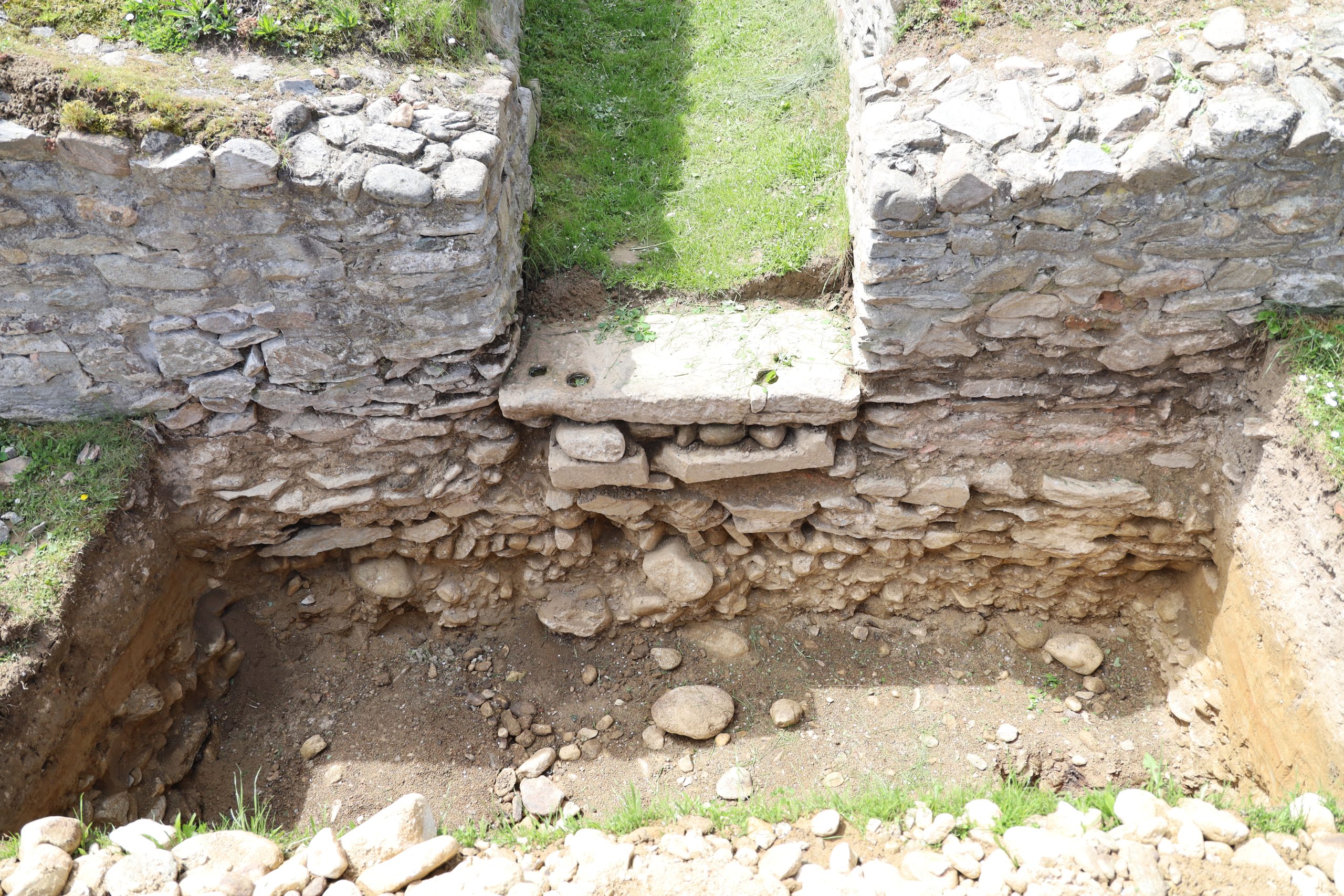
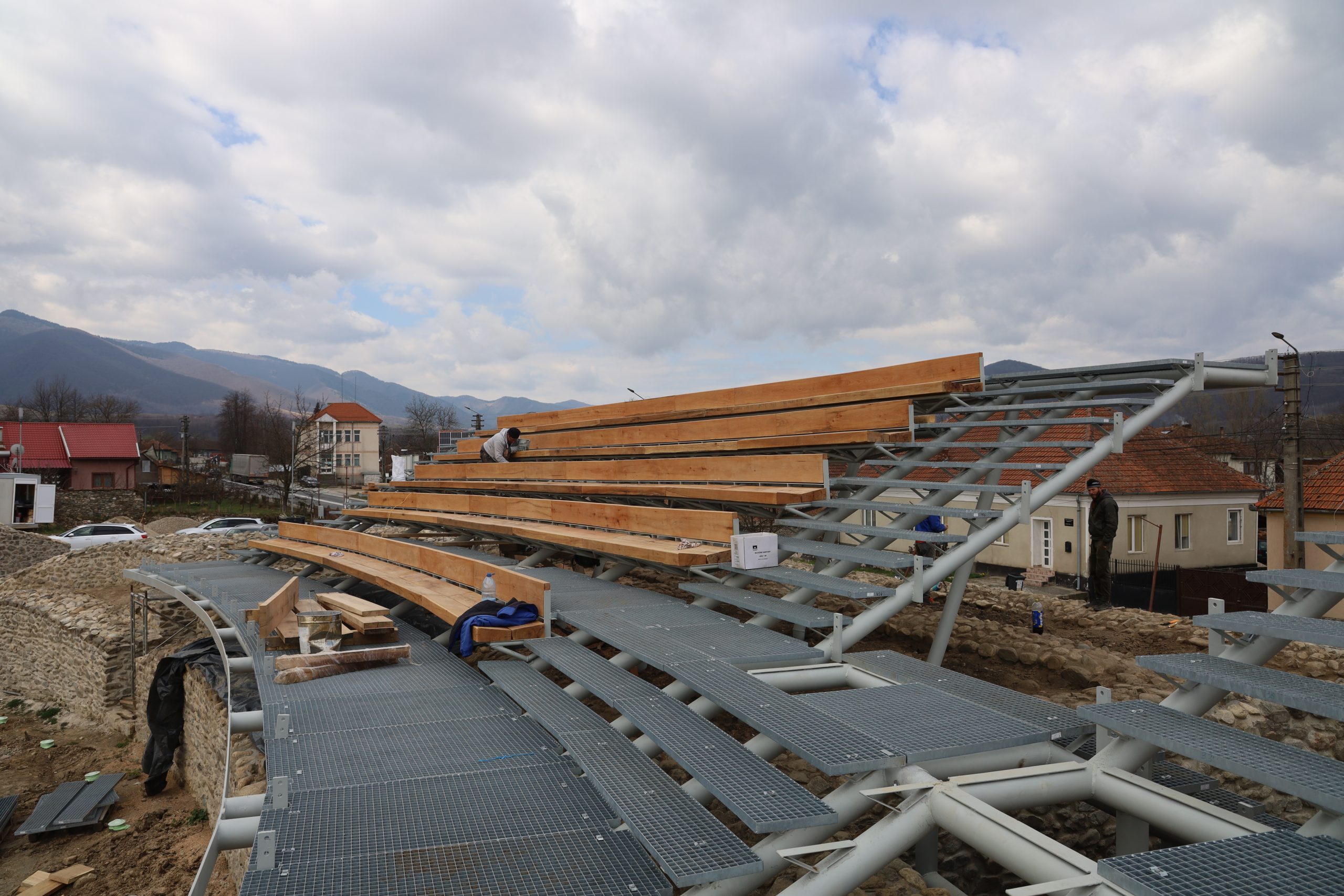
A good investigation does not gather information at random; it reduces the uncertainties that can alter the structural solution.
Before design, the most important question is not what we can add, but what truly exists on site. On historic sites and older buildings, the difference between a convenient hypothesis and a verified observation can completely shift the solution.
Observation has a target
At Sarmizegetusa, investigation did not mean a simple inventory of degradation. We had to distinguish what belonged to the wear of the historic material, what came from environmental exposure, and what effects had been introduced by earlier interventions.
What is missing matters as much as what is visible
In many projects, the critical information is absent. That is why an investigation has to be designed to answer the real gaps in knowledge, not just to confirm what already appears obvious.
Good design starts with clear limits
When we know what is authentic, what is fragile, and what cannot be touched, design becomes more precise and more responsible.