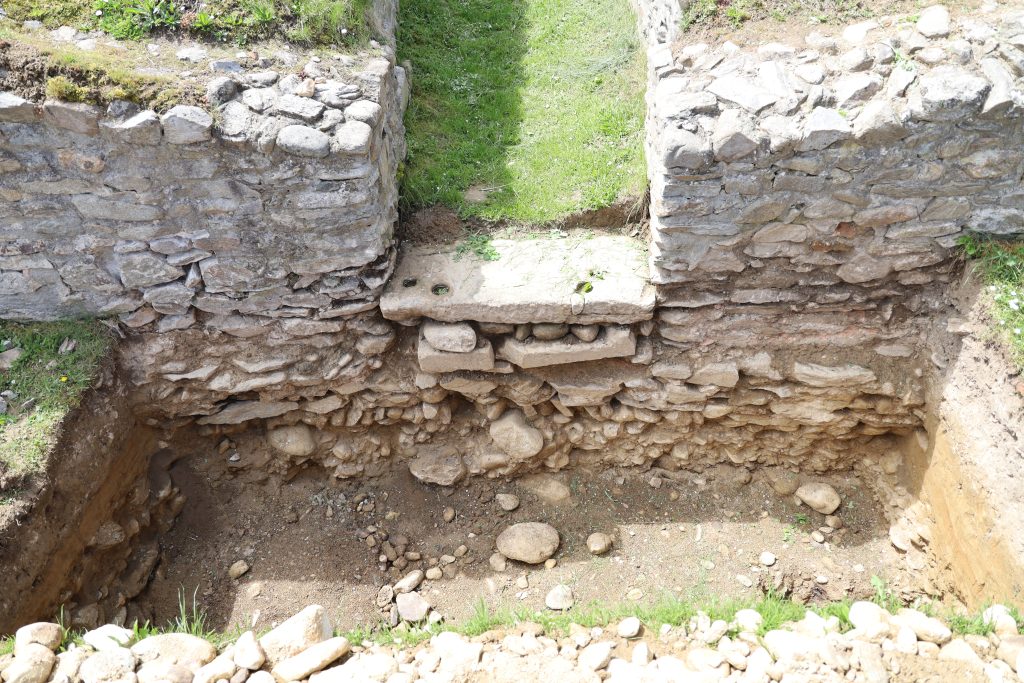
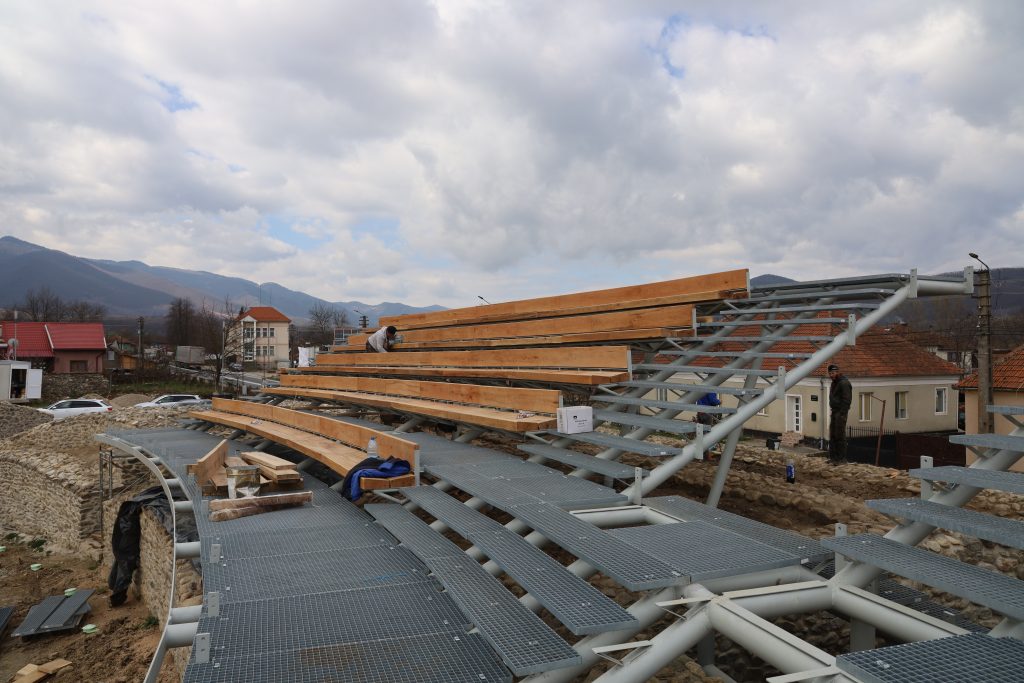
On historic structures, traces do not speak on their own; they have to be read without projecting rushed explanations onto them.
Cracks, settlements, and loss of material may look like direct evidence. In reality, they are only traces. To become useful information, they have to be read in the context of the structure and of its stages.
A trace is not a conclusion
On archaeological sites, many signs can be ambiguous. If you jump directly to a conclusion, the structural solution starts from a fragile interpretation.
Limits of knowledge must be accepted
A serious investigation establishes what we can state with confidence, what remains probable, and what must stay open until new checks are made.
A good reading reduces unnecessary intervention
When we distinguish correctly between active traces and historic traces, the solution can remain precise and minimal.